Muscle and body pain often has an everyday cause, such as overuse, a new workout, tension or a virus like the flu. It can often be managed at home with rest, heat and gentle movement, but pain that is severe and affects your daily life, or doesn't get better with time and rest, is worth checking with a GP.[1]
Muscle aches can show up anywhere in your body that has muscle tissue.[1] Below, we cover what's usually behind them, how to look after sore muscles at home, how to lower the chance of them coming back, and the warning signs that need medical attention.
Key takeaways
Muscle aches often come from overuse or injury, tension and stress, or a virus such as the flu.
Soreness after a new or harder workout is normal and usually goes away in 5 to 7 days.
Rest, heat and gentle movement are often enough to manage everyday aches at home.
See a GP if pain is severe and affects your daily life, or doesn't get better with time and rest. Get urgent help for muscle pain with dark urine, or for chest pain.
What does muscle pain feel like?
Muscle aches and pains, also called myalgia, range from mild to severe. They usually affect a few muscles at a time, often after a particular movement or activity.[1] You might notice:
aching or sore muscles
sensitive muscles
pain first thing in the morning
a feeling of weakness in the affected muscles
less pain after rest[1]
Pain across your whole body is a little different. Widespread aches can be a sign of another medical condition, such as an infection.[1]
What causes muscle and body pain?
Muscle pain often comes down to a handful of common causes. Here's the usual pattern for each and a sensible first step.
Overuse or a new workout: Soreness after exercise or physically demanding work.[1] A sensible first step: ease off for a day or two and keep moving gently.[1][7]
A strain or injury: Pain, swelling or bruising after a sudden stretch, twist or fall, often during sport.[2] A sensible first step: rest and ice for the first 24 to 72 hours.[2]
Tension and stress: Tight neck, shoulders and back, sometimes with headaches.[3] A sensible first step: relaxation techniques and regular exercise.[3]
A virus such as flu or COVID-19: Aches all over while you're unwell.[1] A sensible first step: rest, and see a GP if aches are severe or don't get better.[1]
Long hours sitting: Back pain, which regular breaks can help prevent.[10] A sensible first step: stand up and stretch regularly.[10]
Some medicines: Aches that start soon after a new medicine.[1] A sensible first step: talk to your doctor or pharmacist, and don't stop a prescribed medicine on your own.[1]
Low vitamin D: Often no symptoms, but sometimes muscle weakness, mild bone pain or tiredness.[5] A sensible first step: ask your GP about a blood test.[5]
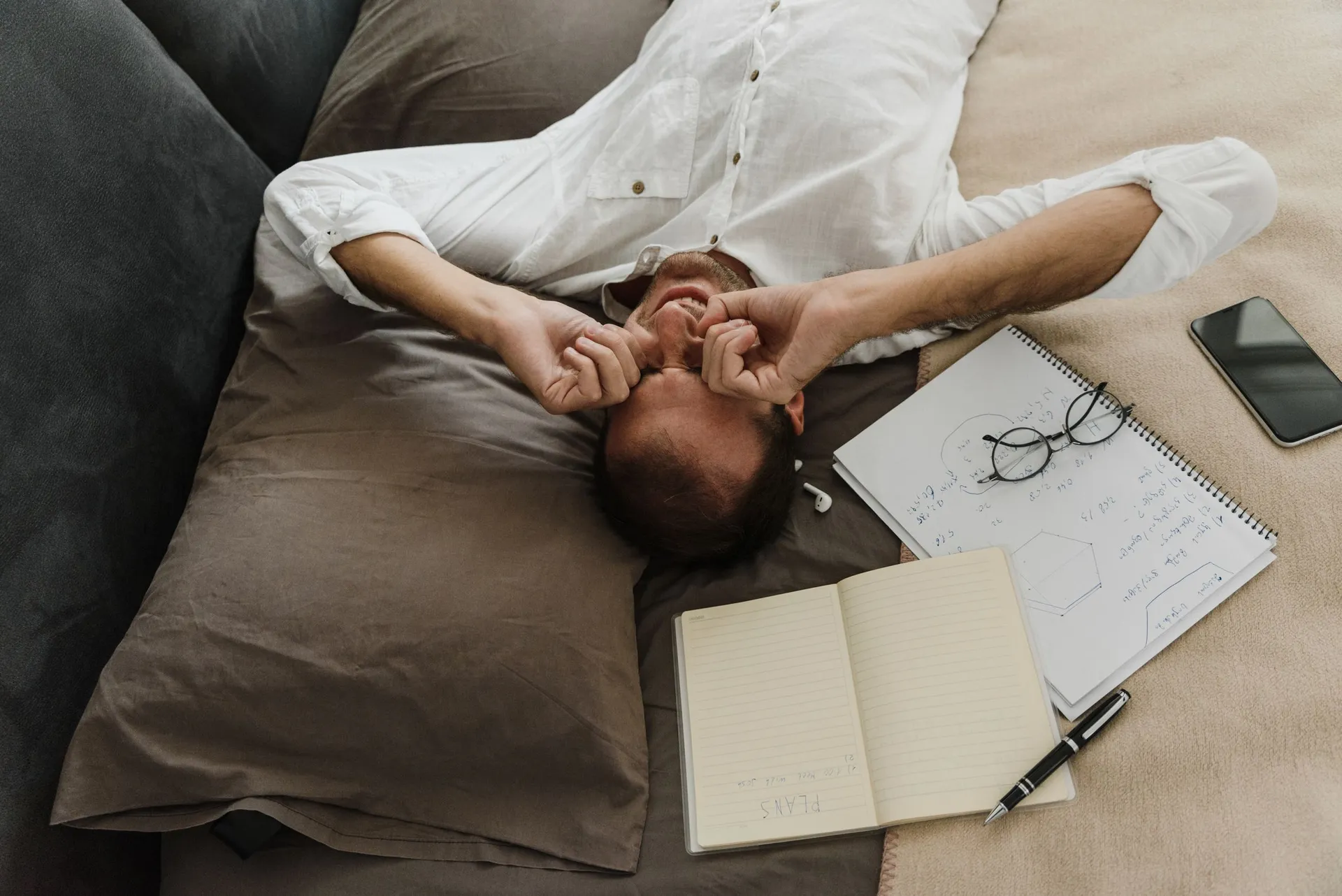
Stress often shows up in your muscles. When you're stressed, they tense up as part of the "fight or flight" response. If stress keeps going, they may not get the chance to relax, which can cause back, neck and shoulder pain, headaches and body aches.[3]
Long periods of sitting matter too. Taking regular breaks to stand up and stretch can help prevent back pain,[10] and nearly half (46.9%) of employed Australians aged 18 to 64 described their workday as mostly sitting in 2022.[4]
Why do my muscles hurt after exercise?
Delayed onset muscle soreness (DOMS) is a normal response to exercise. It isn't an injury, and the pain usually goes away in 5 to 7 days.[6]
It's most common when you return to training after a break or start a new type of activity. Movements where the muscle lengthens under load, such as walking downhill or lowering a weight, cause more muscle damage than other types of movement.[7]
Exercise can ease DOMS pain, although the effect is temporary. After a hard session, ease off for 1 to 2 days, and bring in new activities gradually over 1 to 2 weeks.[7]
How to look after sore muscles at home
For most everyday aches, healthdirect suggests three steps: rest the affected muscles, apply heat to the sore area, and keep up gentle exercise in a way that doesn't make the pain worse.[1]
Ice for a fresh injury. For a new strain, use a cold pack for 15 to 20 minutes at a time, several times a day, never directly on the skin. Ice is part of RICE (rest, ice, compression and elevation), which is only for the first 24 to 72 hours.[2] After that, moving gently and putting weight on the injured area when you're able can help it heal.[2]
Heat or cold after exercise. A review of 32 trials found that cold applied within an hour of exercise reduced soreness over the next 24 hours, and heat reduced it both in the first 24 hours and after. There was no clear winner between them.[8]
Massage. A review of 11 studies found that massage after hard exercise reduced soreness over the following days.[9]
Keep moving. Most back pain isn't caused by a serious medical problem, and staying active and getting back to your usual activities as soon as you can is the recommended approach.[10] If an activity makes the pain worse, take it more slowly and gently.[10]
Don't count on stretching. Research hasn't found that it reduces soreness after exercise.[7]
If you're not sure what to do, you can call healthdirect on 1800 022 222 at any time to speak to a registered nurse.[1]
How to prevent muscle pain
Not all muscle pain can be prevented, but regular exercise, a healthy weight and keeping stress levels low can prevent some of it.[1] A few habits help:
Warm up and cool down. Spend at least 5 minutes on each when you exercise.[11]
Build up slowly. Increase weights and intensity gradually, and have at least one day off each week to recover.[2][6]
Move most days. Australian guidelines suggest 150 to 300 minutes of moderate activity, or 75 to 150 minutes of vigorous activity, each week, plus strength exercises on at least two days. Only about one in five adults aged 18 to 64 (22.4%) met them in 2022.[4]
Break up sitting. Stand up and stretch regularly if you sit for long periods.[10]
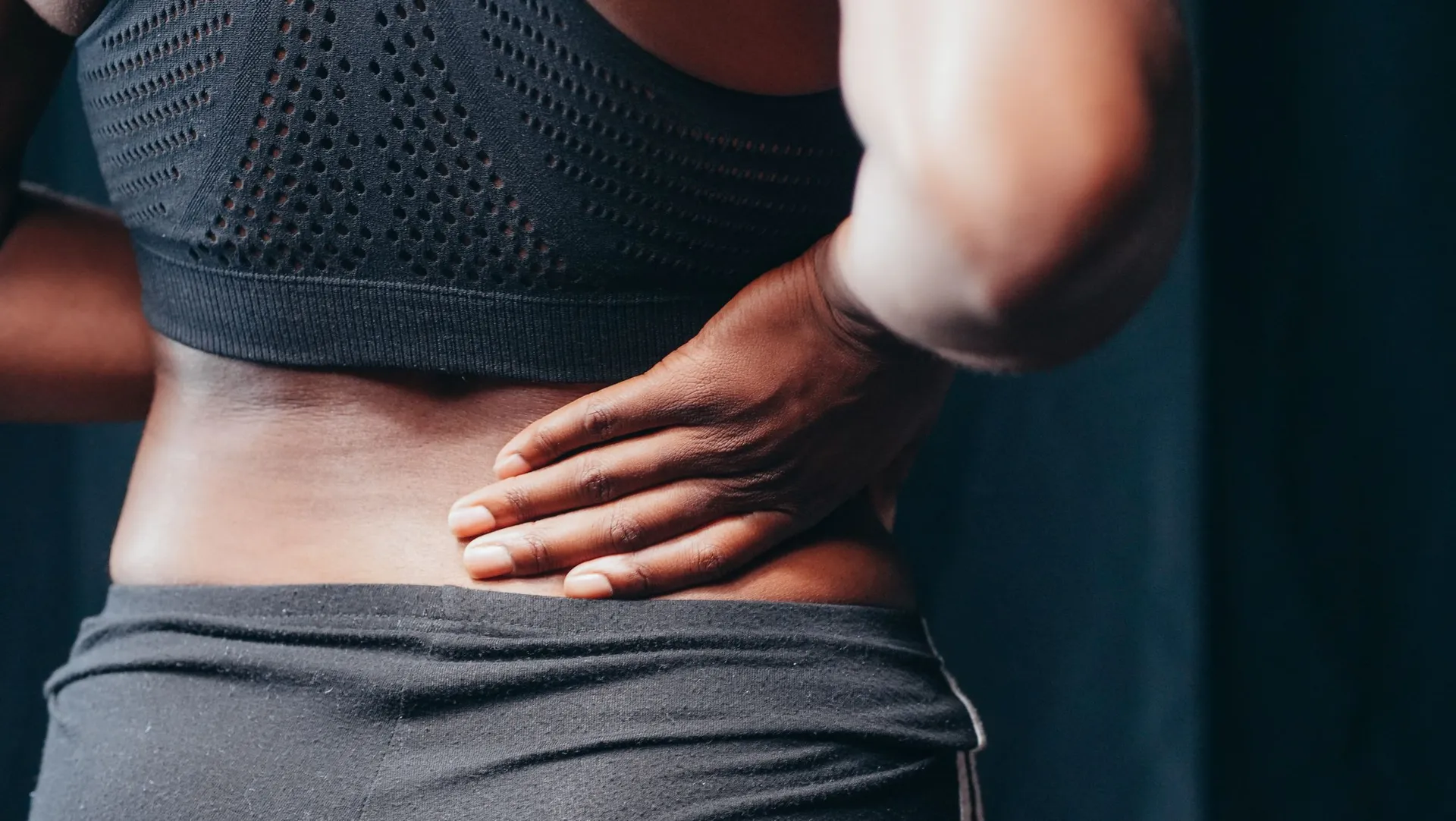
Look after your back. A healthy weight, not smoking and good posture all help prevent back pain. Make sure your back is well supported at your desk, whether you work at home or in an office, and follow your workplace's safe manual handling guidelines. A sudden increase in load on your spine, such as lifting heavy objects or children when you're not used to it, can make back pain worse.[10]
Protect your sleep. Losing sleep makes the brain more sensitive to pain.[12]
Make time to relax. Time to relax each day helps stop tension building up in your body and mind. Relaxation techniques such as slow breathing, progressive muscle relaxation and yoga can help you manage stress.[3]
How pain is linked to sleep, stress and energy
Pain and sleep affect each other, and ongoing stress can add to muscle aches.[3][12]
are in your back and haven't improved after about 6 weeks[10]
Get urgent medical help if you have:
muscle pain with swelling, weakness and dark urine. These can be signs of rhabdomyolysis, a serious breakdown of muscle tissue. Symptoms may not start until hours or days after a muscle injury.[13]
an injury where you can't bear weight or walk, or have extreme pain, swelling or a change in shape[2]
back pain that comes on very quickly and is severe, or stops you from walking or moving[10]
back pain with a fever, numbness or weakness in your arms or legs, changes to your bladder or bowel, or unexplained weight loss[10]
Call triple zero (000) for back pain with difficulty breathing or after a serious accident or injury.[10] Also call 000 for chest pain that is severe, getting worse or has lasted longer than 10 minutes, feels heavy, crushing or tight, or comes with breathlessness, nausea, dizziness, a cold sweat, or pain in your jaw or down your left arm.[14]
What a health professional may suggest
A GP will ask about your symptoms and examine you to find the cause.[1] Depending on what they find, they may suggest:
physiotherapy or massage[1]
lifestyle changes, such as weight loss where it's relevant[1]
medicines, such as anti-inflammatories, if aches don't improve[1]
tests such as an x-ray or blood tests,[1] for example a blood test to check your vitamin D level[5]
It helps to describe your pain clearly. Before your appointment, note where it hurts, how bad it is on a scale of 0 to 10, when it started, what makes it better or worse, and how it affects your sleep and daily life.
Complete a 2 min pre-screening to see if Hellomello is right for you.
We believe your healthcare journey deserves kindness and empathy
Aches all over can be linked to a virus such as the flu or COVID-19, or to ongoing stress,[1][3] and poor sleep can make pain worse.[12] Widespread pain can also be a sign of another medical condition, so see your GP if it doesn't get better with time and rest.[1]
Why do my muscles ache when I wake up?
Pain first thing in the morning can be a symptom of muscle aches.[1] Soreness from a hard workout can last a few days,[6] and too little sleep can make pain worse.[12] If pain is keeping you up, relaxation, a warm bath before bed and pillows under your legs, hips or knees may make you more comfortable.[12] If morning pain doesn't get better with time and rest, see your GP.[1]
How long does muscle soreness last after exercise?
Delayed onset muscle soreness usually goes away in 5 to 7 days.[6] A sprain or strain is different. It mostly happens during exercise or sport, and causes pain, swelling or bruising.[2]
Should I use heat or ice on sore muscles?
Use ice for a new strain or injury in the first 24 to 72 hours.[2] For everyday muscle aches, healthdirect suggests applying heat to the sore area.[1] For soreness after exercise, both heat and cold can reduce pain.[8]
Can stress cause muscle pain?
Yes. Stress makes your muscles tense up, and if it keeps going they may not get the chance to relax. This can cause back, neck and shoulder pain, headaches and body aches.[3]
Should I exercise with sore muscles?
Usually, yes. Keep up gentle exercise in a way that doesn't make the pain worse,[1] and give the sorest muscles 1 to 2 days before another hard session.[7] Exercise can ease soreness for a while, although the effect is temporary.[7]
Can low vitamin D cause muscle symptoms?
Low vitamin D can sometimes cause muscle weakness, mild bone pain and tiredness, although it usually has no symptoms.[5] A blood test can check your level, and your doctor can tell you the right dose before you take a vitamin D supplement.[5]
MEDICAL DISCLAIMER
This article is for informational purposes only and does not constitute medical advice. Everyone's circumstances are different, and what works for one person may not work for another. Please consult an AHPRA-registered healthcare professional for advice specific to your circumstances.
References
1.healthdirect. Muscle aches and pains. Accessed 14 October 2026. https://www.healthdirect.gov.au/symptoms/aches-and-pains/muscle-aches-and-pains
2.healthdirect. Sprains and strains. Accessed 14 October 2026. https://www.healthdirect.gov.au/accidents-and-injuries/sprains-and-strains
3.healthdirect. Stress. Accessed 14 October 2026. https://www.healthdirect.gov.au/symptoms/stress
4.Australian Bureau of Statistics. Physical activity, 2022. 15 December 2023. https://www.abs.gov.au/statistics/health/health-conditions-and-risks/physical-activity/2022
5.healthdirect. Vitamin D deficiency. Accessed 14 October 2026. https://www.healthdirect.gov.au/healthy-living/food-and-nutrition/vitamin-d-deficiency
6.healthdirect. Strength training for beginners. Accessed 14 October 2026. https://www.healthdirect.gov.au/healthy-living/physical-activity/strength-training-for-beginners
7.Cheung K, Hume PA, Maxwell L. Delayed onset muscle soreness: treatment strategies and performance factors. Sports Medicine. 2003;33(2):145-164. https://doi.org/10.2165/00007256-200333020-00005
8.Wang Y, Li S, Zhang Y, et al. Heat and cold therapy reduce pain in patients with delayed onset muscle soreness: a systematic review and meta-analysis of 32 randomized controlled trials. Physical Therapy in Sport. 2021;48:177-187. https://doi.org/10.1016/j.ptsp.2021.01.004
9.Guo J, Li L, Gong Y, et al. Massage alleviates delayed onset muscle soreness after strenuous exercise: a systematic review and meta-analysis. Frontiers in Physiology. 2017;8:747. https://doi.org/10.3389/fphys.2017.00747
10.healthdirect. Back pain. Accessed 14 October 2026. https://www.healthdirect.gov.au/symptoms/aches-and-pains/back-pain
11.healthdirect. Cardiovascular exercise. Accessed 14 October 2026. https://www.healthdirect.gov.au/healthy-living/physical-activity/cardiovascular-exercise
12.Sleep Health Foundation. Pain and sleep. 21 January 2025. https://www.sleephealthfoundation.org.au/sleep-topics/pain-and-sleep
13.healthdirect. Rhabdomyolysis. Accessed 14 October 2026. https://www.healthdirect.gov.au/conditions/kidney-and-urinary-problems/rhabdomyolysis
14.healthdirect. Chest pain. Accessed 14 October 2026. https://www.healthdirect.gov.au/symptoms/aches-and-pains/chest-pain